
From High School Sketches to Cinematic Frames: Inga's Rise
- Monday Magazine

- Jun 1
- 3 min read
Posted By Ntombizodwa Dlamini I Mondays Mag Publications I Featuring Inga

The Roots of Storytelling
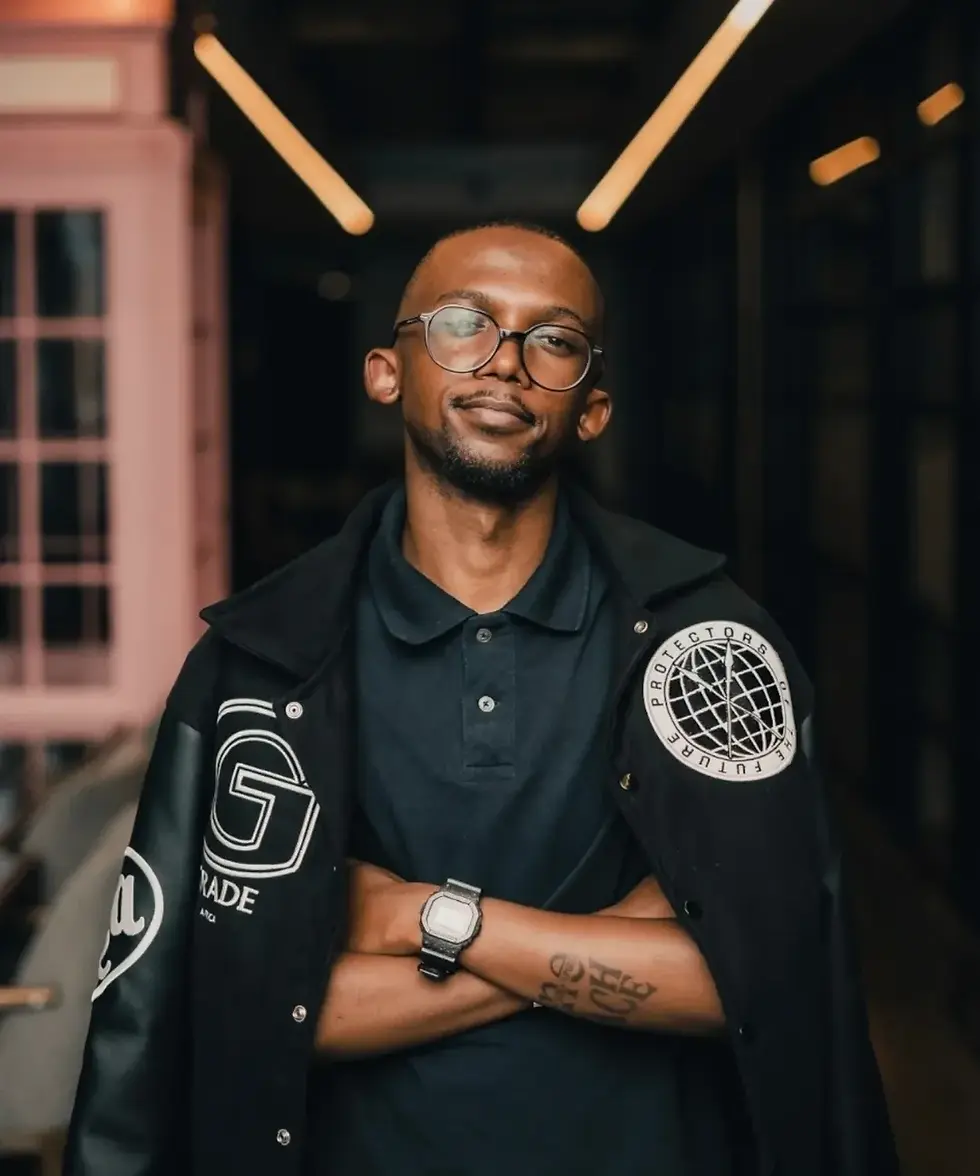
For Inga, storytelling began long before the professional titles and accolades. “My filmmaking background started quite early in my life. Storytelling began through visual arts for me, back in high school,” Inga says that through that exploration, he picked up a camera and began learning the basics. Everything became easy when he reached tertiary, the art had fully transitioned into visual storytelling through the medium of motion picture.
Capturing the Urban Pulse Naturally
His lens has become a mirror to South African urban life, often guided by instinct. He also mentioned that through social events he find himself attending and end up capturing. “It’s really vast in regards to the subject matter. However, it comes naturally.”
Moments of Recognition and Connection
Two moments stand out as turning points. In an interview with the Mondays Magazine, Inga shared the towards the end of his 2nd year in film school, he joined the institution’s group of representatives as one of the photographers. He added that his work got around quite quickly and got the attention of the students. “That was my first indicator that I’m creating something unique, engaging and getting me recognized by peers.”

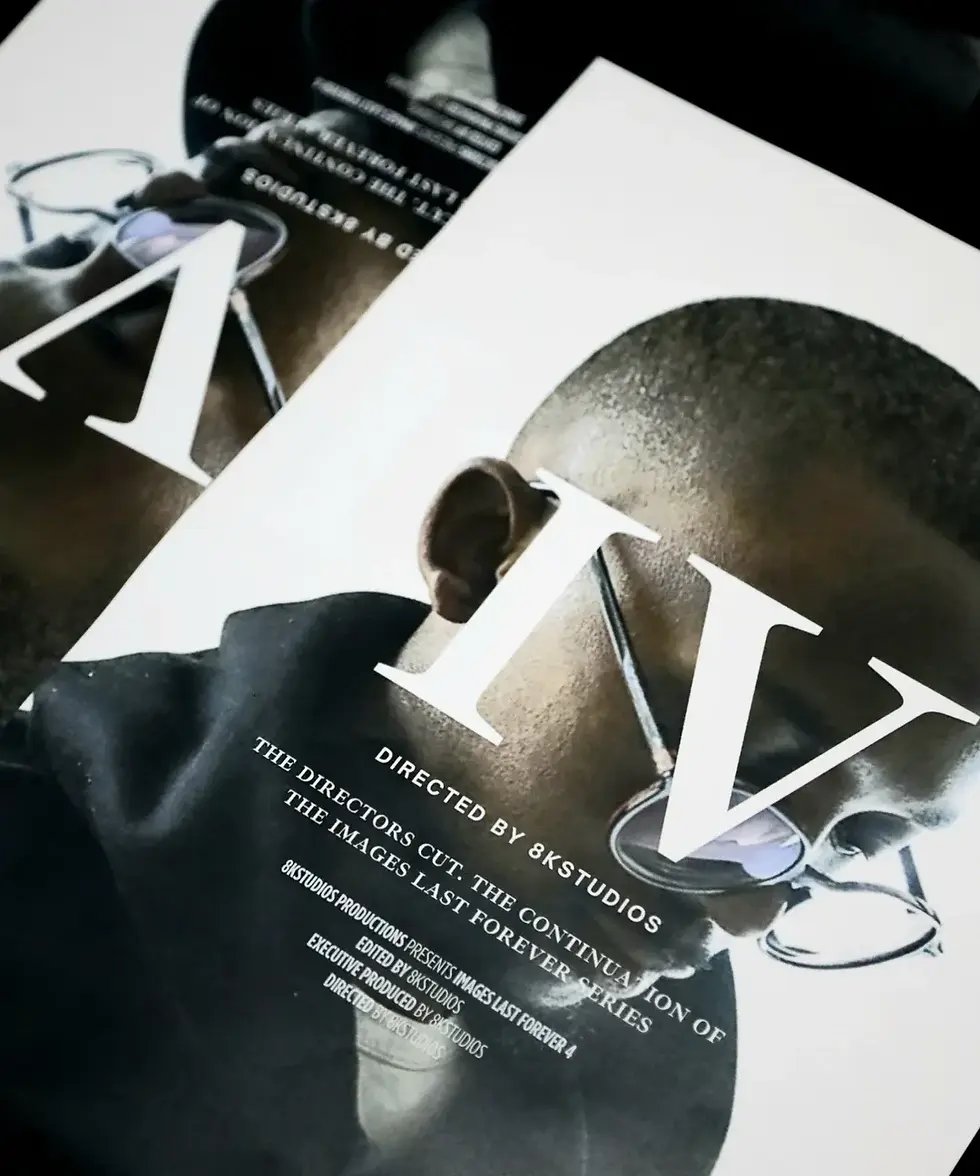
The second is his ongoing photo series, Images Last Forever. “What is now a 5-year body of work has shown me that the way you capture has a huge impact on the viewer. It could be their favorite artist, complete strangers, even as simplistic as a sunset someone will find something special about it. Ultimately, that’s how you gain a new supporter.”
The Polished Cinematic Aesthetic
Inganathi’s polished, cinematic aesthetic is rooted in his art background. “That’s heavily influenced by my art background how to use contrasts and hues to communicate an emotion or highlight something. That, as well as composition, for me, are the two most important factors in visual aesthetics. Those elements became polished through attending film school. Those lessons made me even more intentional with my work.”
Color as Unspoken Language
Color, he says, is central to his storytelling. “I’d say color is the most important aspect of what makes my work unique to who I am and how I shape a narrative. It’s how the audience knows how that moment feels. It’s the unspoken and understood visual language.”
Authenticity and the Freedom of Expression
For him, authenticity is inseparable from artistry. “Feeling. Art is an expression, no matter the medium. As someone who captures moments, nobody captures what I see. We all can capture the same subject matter, however it will never look like the next man’s work. It’s what separates the Gerard Sekoto’s from the David Koloane’sthe freedom of expression.” His work is not just about aesthetics it’s about legacy. “It’s documenting moments that people years from now can look back on, and most importantly learn and take inspiration from. Being present more than anything and capturing those moments.”
Universal Experiences Through a Local Lens
And while rooted in South Africa, his projects transcend borders. “The world of visual storytelling no longer has the traditional borders. We are all influenced by different parts of the world, which is undeniable. The project acts as a celebration of urban culture, allowing local audiences to see their lives reflected at them. While the content is distinctly local, it relies on a cinematic aesthetic that commands attention on any For Inga, “pushing the culture forward” means “celebrating, documenting, and illuminating the evolving landscape of modern South Africa’s diverse urban culture. It highlights creative diversity, elevating the visual standard and fosters identity and belonging.”
Shaped by Culture
His own journey has shaped this perspective. “My perspective on identity and belonging is shaped by not only being a filmmaker, but by culture itself. It has transformed my work to intentional, visually striking content over the years. It’s taught me that authenticity is the most important when it comes to being a visual communicator and understanding what subject matters in modern culture are crucial narratives to be told and shared.”The stories he believes are most urgent? “Individual journeys and cultural shifts, as well as creative and cultural expression.”Platforms like Monday’s Magazine, he says, play a vital role. “Monday’s Magazine is the platform that gives creatives across SA the opportunity to showcase themselves. More importantly, the opportunity to spread awareness on the local creativity that is just as polished as the rest of the world.”

A Global Takeaway
And if his work were to be viewed globally? “I’d want them to take away that South Africa is a vibrant, evolving society that is rich in creative diversity and narratives. We have influenced the world through music, but we have way more to offer creatively.”


Comments